One of the largest beauty and fragrance retailers in the world, expanding into new markets including the UAE. The catalogue runs past 200,000 SKUs and grows continuously — every new market adds local brands and new products on top.
How major international beauty retailer replaced studio packshot production with Magic pipelines.
A major international beauty retailer replaced studio packshot production with three Magic templates. Staff photograph a product on a phone, in-store. The template returns a full set of frames that meet the retailer’s shooting spec — at about $3 per product instead of $25.
8×
lower cost per product
$25 → $3
per product, six frames
6,600
frames in the current package
200,000+
SKUs in the catalogue
The client
The problem
In beauty e-commerce the product card is the product. Nobody picks the bottle up. They decide from six photographs.
So the retailer's shooting spec reads like engineering, not art direction:
an exact frame size, and a safe-zone grid every product has to sit inside
one exact background colour from the brand palette — not "roughly white"
a soft cast shadow that has to look real without going harsh
light that holds the true colour and finish: matte, gloss, relief, glass
strict orientation — pumps always face right, cap recesses always face front, caps and applicators sit to the right of the base
six frames per product — front, angle, detail, swatch, swatch-on-skin, extra angle — with separate rules per category
Every new SKU meant studio time. At this catalogue size, with new markets opening, the studio was the bottleneck — and a physical studio in every new country is slow and expensive to stand up.
Why off-the-shelf AI didn't work
The retailer tested the available AI image tools. They all failed on the same requirement: the typography on the packaging has to survive untouched.
Generative models rewrite text into plausible nonsense. On a bottle that carries the brand name, the shade number and the volume, that is not a stylistic problem — it is a defective product card. Add an exact background value, a physically correct cast shadow and grid-accurate placement, and nothing off the shelf produced publishable output.
What Magic built
Three templates for the retailer’s own e-commerce production team — one each for concealers, foundations and lipsticks, about six frames per product.
Photograph the product with an ordinary phone — on the warehouse floor or in-store.
Drop the shot into the template.
Get back a spec-compliant set, ready to publish or needing only light retouching.
This is a tool inside the client's process, not an outsourced service. The production team keeps ownership of the workflow. The studio simply leaves it.
The templates generate the models, too
Model shots come back with live skin texture and varied expressions — and, hardest of all, the same facial features held constant from product to product. One consistent face across thousands of cards, with no shoot day and no agency.
Phone photo in. Product card out.
A real example — a foundation, shot and processed end to end.
Shot on a phone — in-store, handheld, no set-up
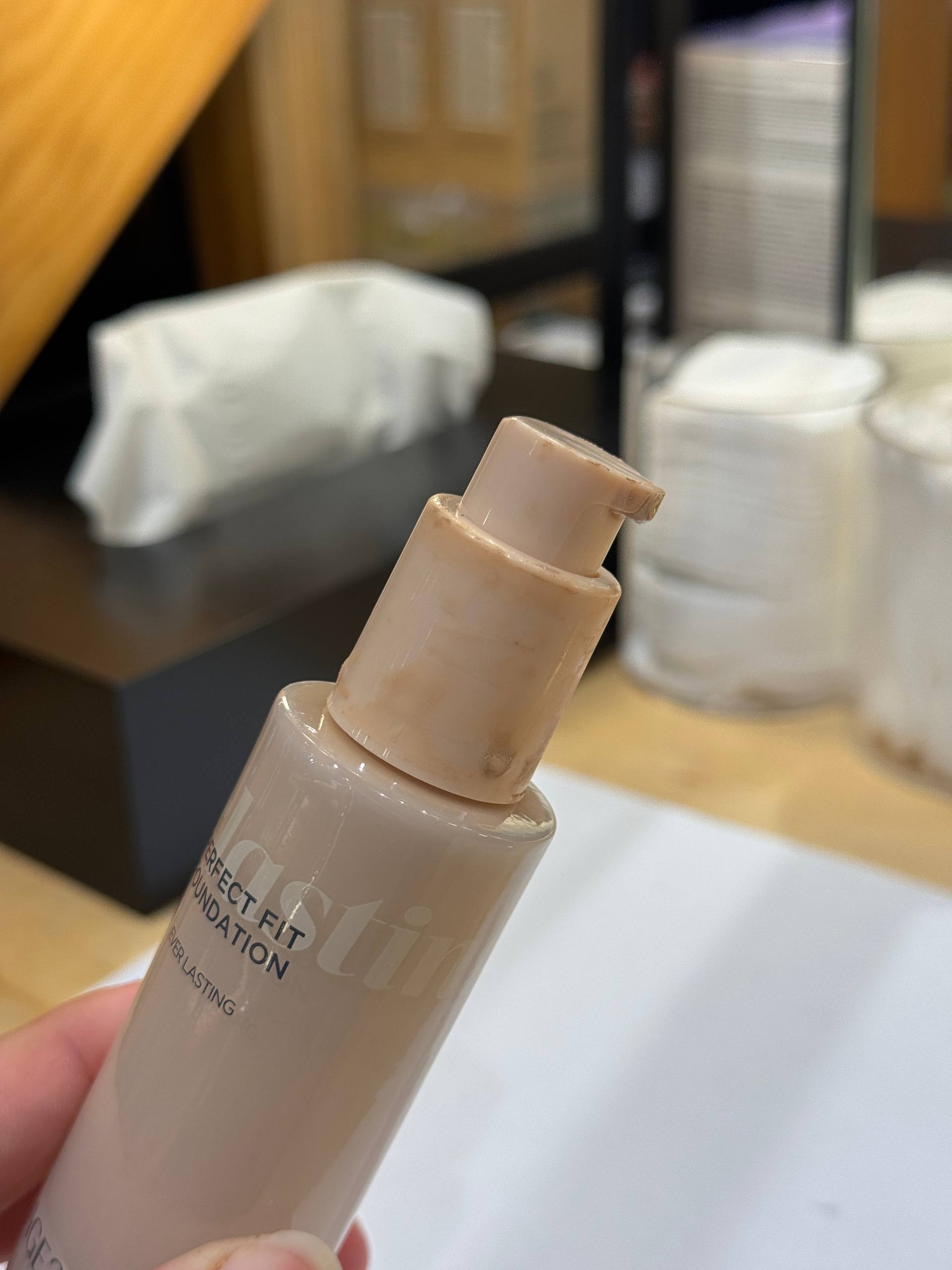
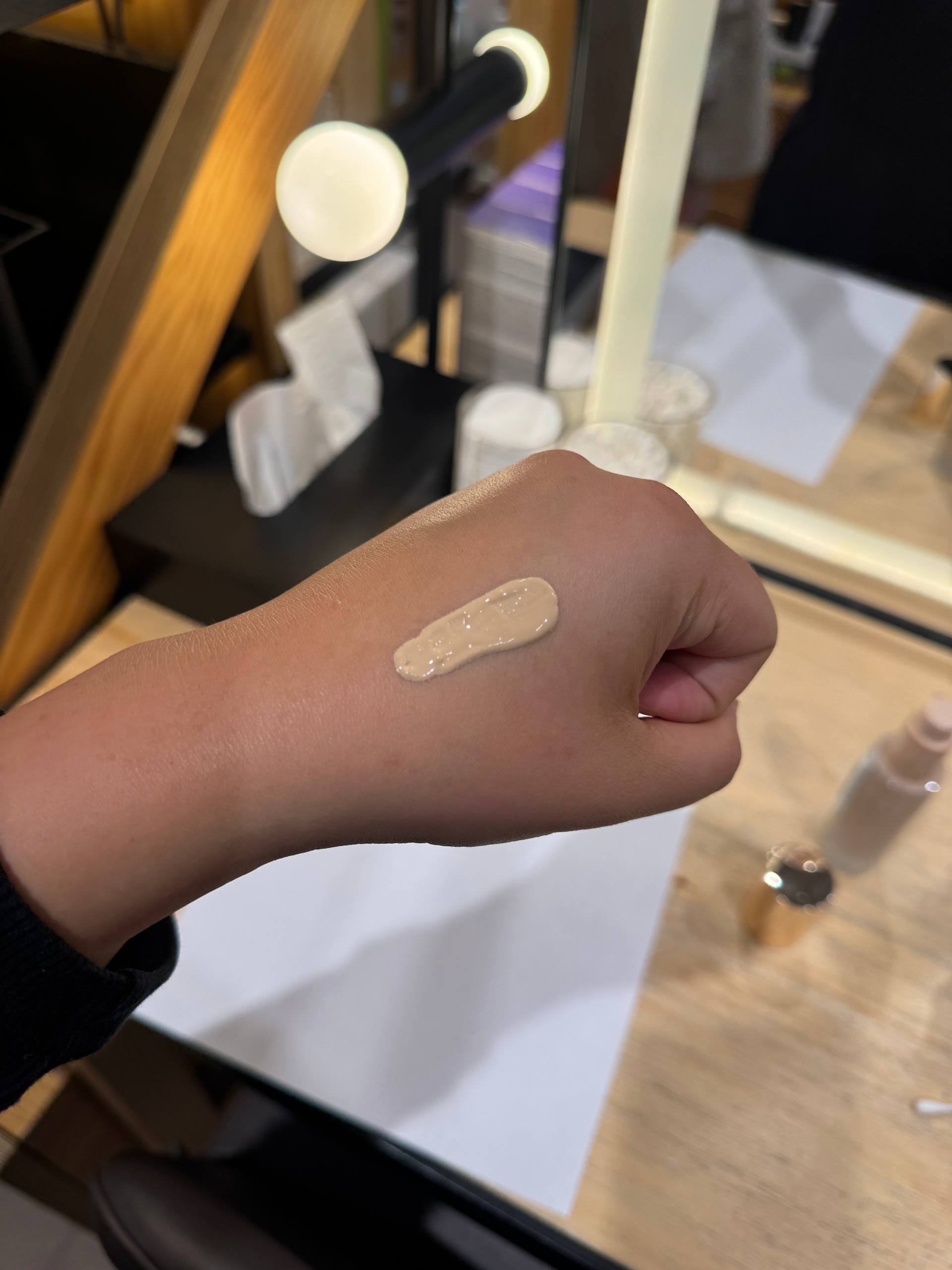
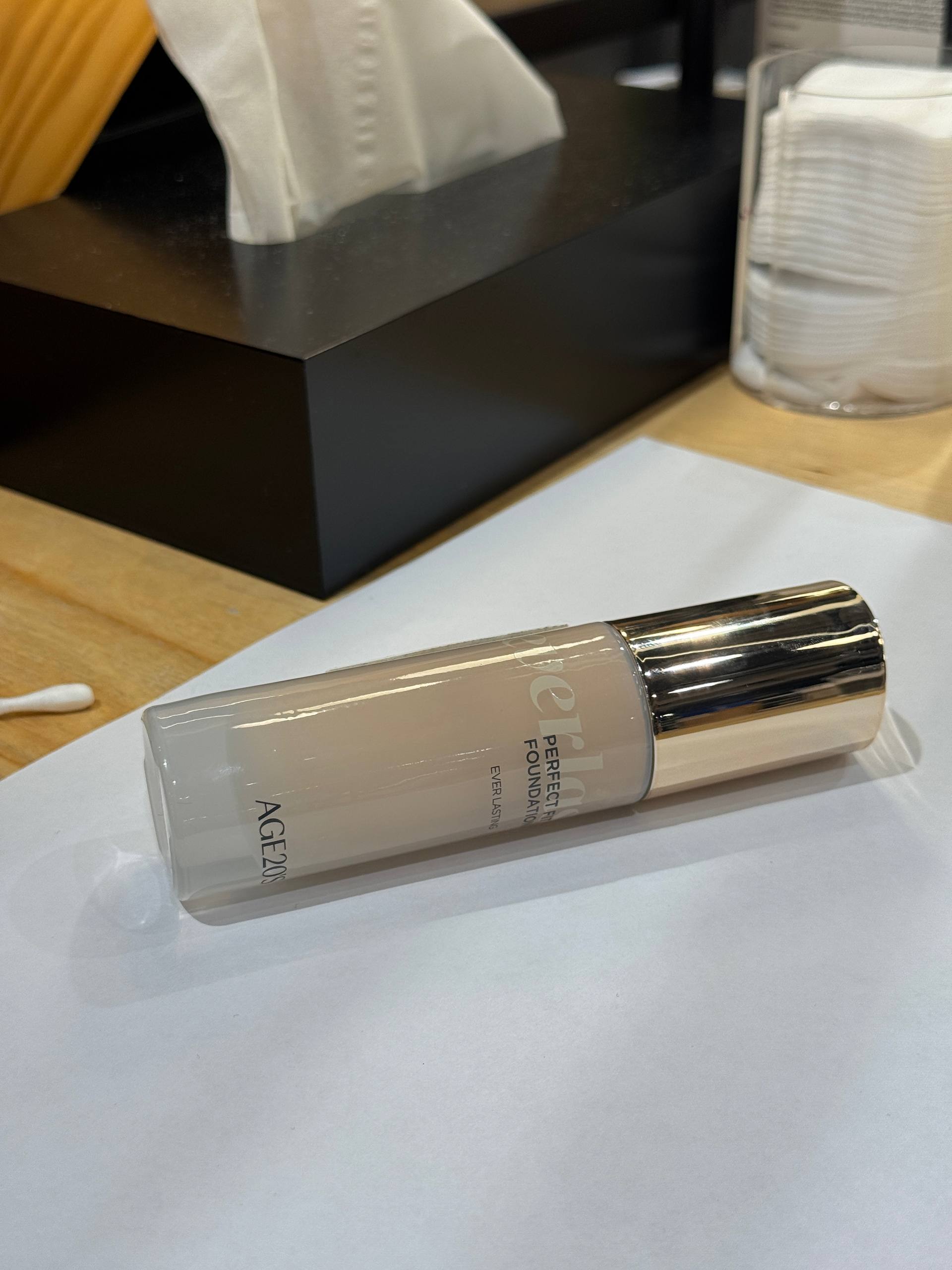
Ready to publish — straight out of the template
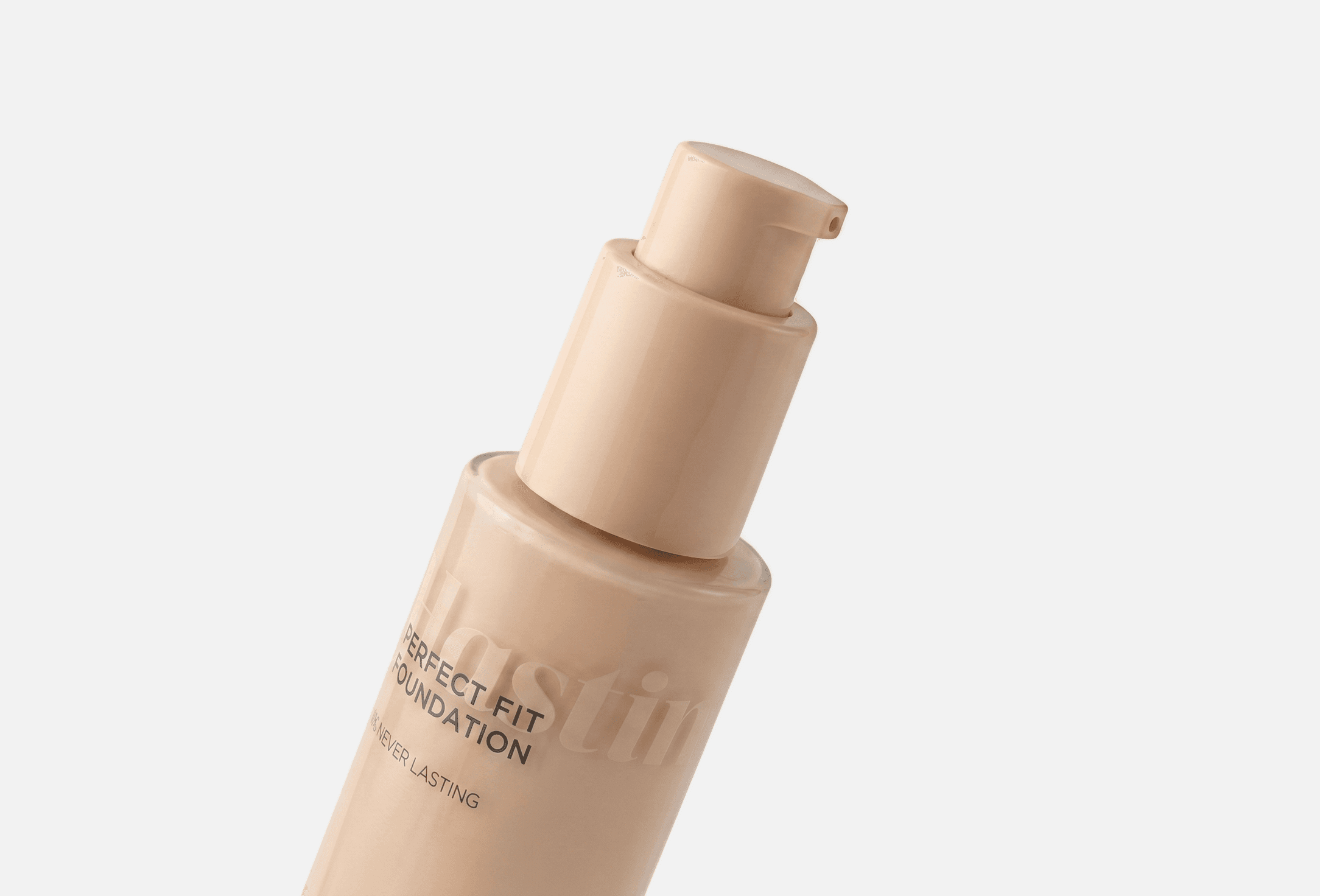
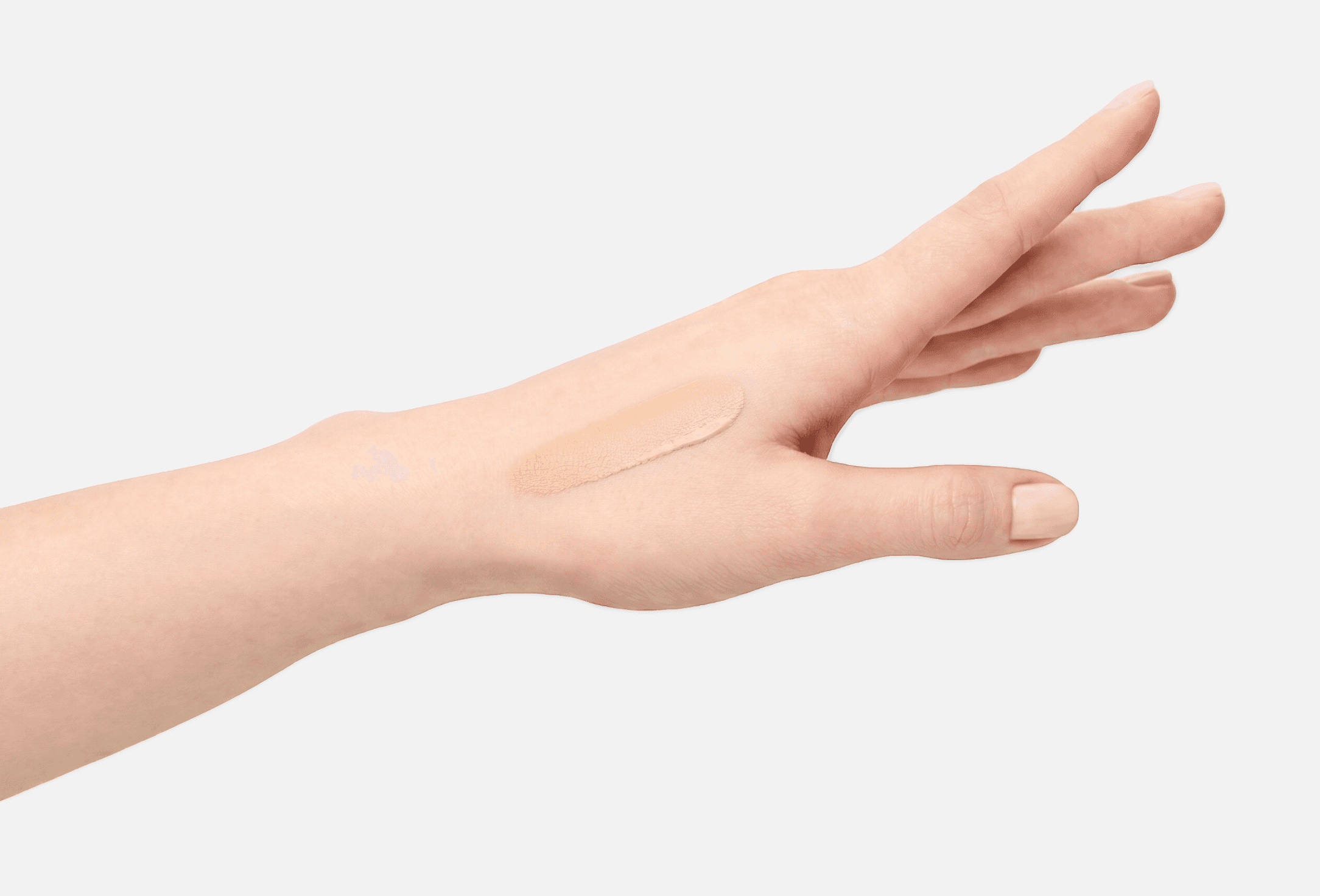
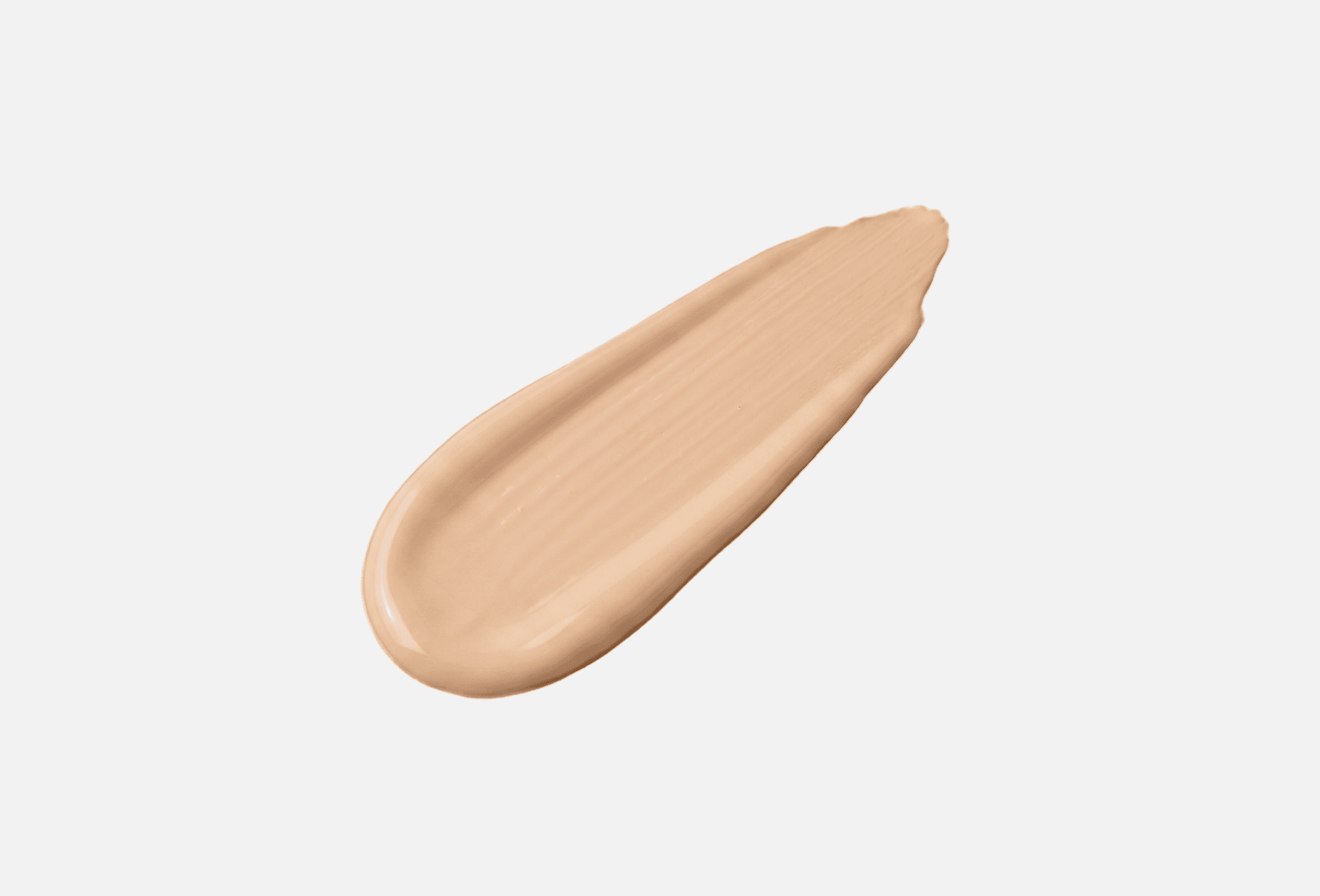
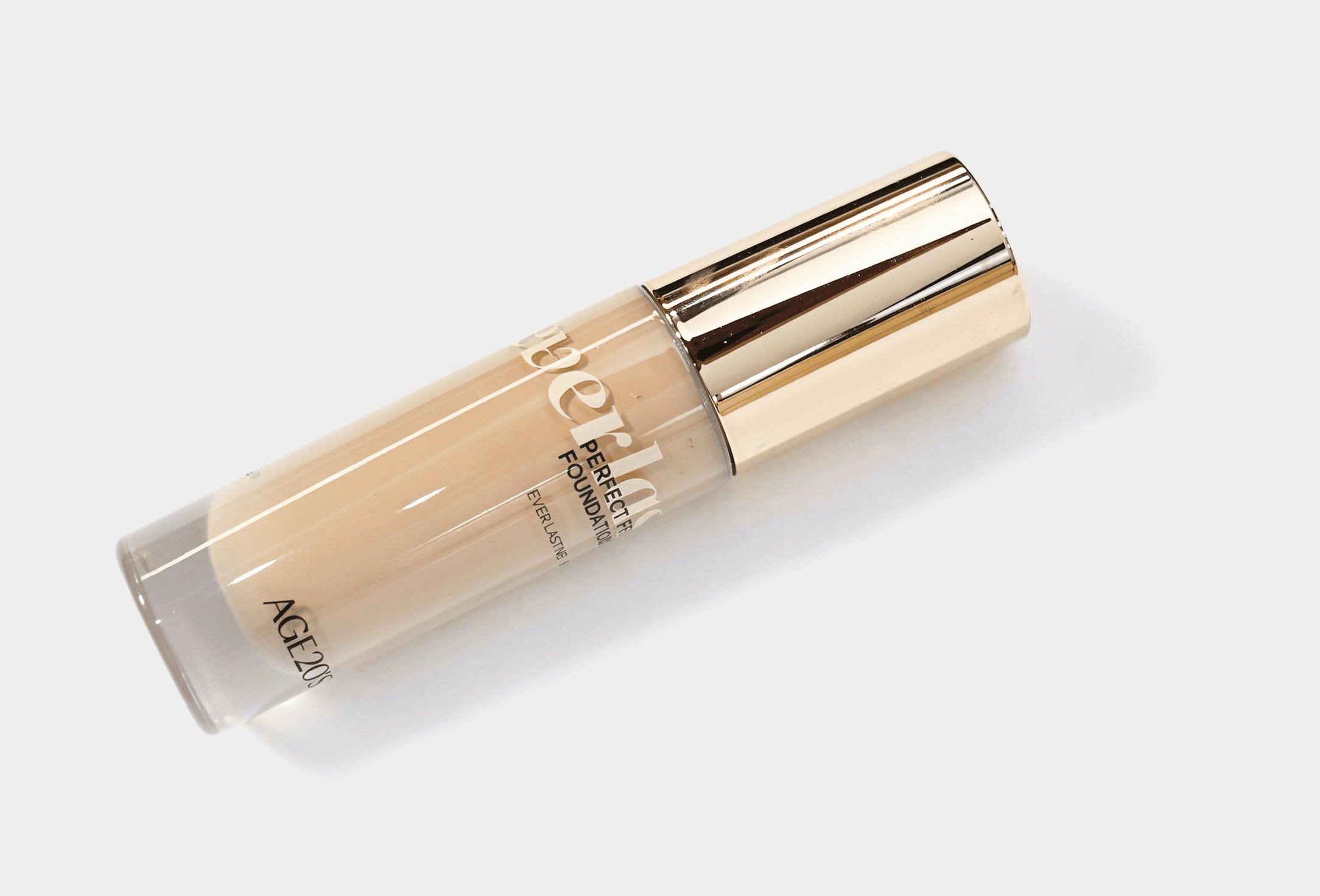
Note the packaging text on the macro shot, and the pump facing right — exactly as the spec requires.
The numbers
The unit is a product, not a frame. Shooting one product in full — all six frames, including studio, photographer, set-up, retouching and management — cost about $25.
Roughly $24,000 saved on a single package of 6,600 frames — against an in-house production process that was already efficient.
Why it matters
The unit is a product, not a frame. Shooting one product in full — all six frames, including studio, photographer, set-up, retouching and management — cost about $25.
Consistency
For a premium retailer this is the entry ticket, not a bonus. Background in palette, geometry on grid, a real soft shadow, readable packaging type, one model's face across the catalogue. A thousand cards look like one series.
Scale
200,000+ SKUs and a catalogue that never stops growing outruns any studio schedule. A template scales to the size of the catalogue without hiring.
Geography
Standing up a physical studio in a new city or country takes months and capital. A template deploys wherever there is stock and a phone. A new market no longer requires a new studio.
If this is your problem too
If you run a large catalogue against a strict content spec — marketplace, retailer or brand — the same approach transfers. We build the templates to your guidelines, your team runs them, and the cost of a product shoot drops by roughly an order of magnitude.
Book a call