A turnkey commerce platform operating across the UAE, Qatar, Kuwait and the wider Gulf — think Shopify, but with the physical layer included. Thousands of connected stores, tens of thousands of products, and the platform's own warehousing, distribution and storefront builder underneath. The platform sells a promise: bring your product, we'll handle the rest. Content was the part of that promise it couldn't keep.
One photo in.A whole product page out
A Gulf commerce platform runs storefronts, warehousing and distribution for thousands of merchants. Most of them arrive with one bad photo of their product. Magic is wired into the platform through the API, so a seller uploads that photo and the platform hands back packshots, lifestyle imagery and social video — for under a dollar a card.
< 1$
per generated card
1,000s AED
for the photoshoot it replaces
The client
The problem
By the platform's own estimate, more than half the businesses trying to sell on it have no usable product photography. A phone snap on a shop counter, a garment on a hanger against a wall, a ring on a wooden table. The fix is a photoshoot, and in these markets a proper product shoot runs into thousands of dirhams — for a merchant with a few dozen SKUs and thin margins, that is not a line item, it is a reason not to launch. So listings go up with weak photography, they convert badly, and the merchant concludes the platform doesn't work. For the platform this is not a creative problem. It is a supply problem, sitting directly on activation and GMV.
One source photo, a full content set
A seller photographs a ring on the table in front of them. That single image is enough.
What the seller uploads
one photo, taken on a phone
Packshots for the listing
generated set, ready to publish
Marketing imagery
for the storefront and social
Apparel: from a hanger to a model
Two of the ten-odd templates built for the platform cover menswear and womenswear. The merchant photographs the garment as it hangs in the shop. The template returns model shots.
Menswear — uploaded
Flat lay on the shop floor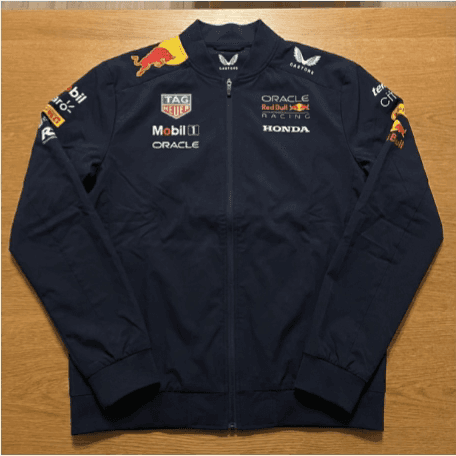
Menswear — generated
The same jacket, worn.
Womenswear — uploaded
on a hanger in the storeroom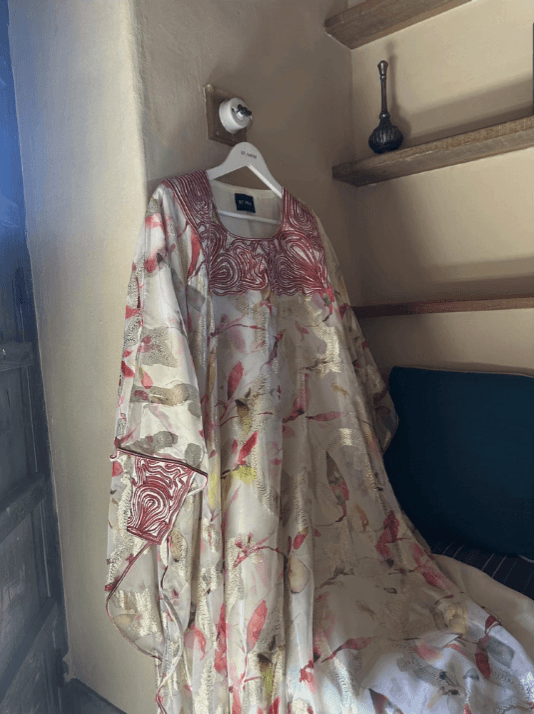
Womenswear — generated
The same dress, worn.
Location templates, built for the region
Alongside the product templates, the platform commissioned location VFX templates for the specific markets it operates in — sets that put a merchant's content into a real place, at a scale that merchant could never afford to shoot.
These two were built for Kuwait: a screen in the plaza at the foot of the Kuwait Towers, and a banner flown against them from the seafront. A shop with a dozen products gets city landmark campaign footage, from a listing photo.
- Kuwait Towers — plaza screen
- Kuwait Towers — aerial banner
How it's wired in
This isn't a tool the platform's merchants go and use somewhere else. It sits inside the platform's own product.
Magic API connected to the platform, so generation happens inside the seller's normal listing flow.
~10 templates commissioned for the categories that matter here — apparel and jewellery.
Custom location VFX templates built for the specific regions the platform operates in.
The merchant never sees Magic. They see their own storefront builder, and their photos getting better.
The economics
The comparison that matters isn't Magic against another tool. It's Magic against the photoshoot that most of these merchants were never going to book.
Cost of one clip
Commissioned photoshoot
Magic
Cost
thousands of AED
under $1 per card
book a studio, ship the product, wait for the edit
Turnaround
inside the listing flow
samples, a studio, a photographer, a model
What the merchant needs
one photo on a phone
Consistency across the catalogue
varies by merchant and by shoot
same templates, same output standard
For a platform, predictable content quality isn't a nice-to-have — it's what makes thousands of independent merchants look like one coherent marketplace.
Why it matters for a platform
Activation
The merchants who stall at "I don't have photos" are the ones who never launch. Remove the cost and the wait, and a listing goes live the same day.
Predictable quality
Templates encode the standard. Every merchant's cards come out to the same spec, so the catalogue reads as one marketplace instead of thousands of separate shops.
Margin, not just cost
Content stops being a cost the merchant refuses to bear and becomes a service the platform can bundle, meter or resell.
Running a marketplace with a content problem?
If your sellers are the bottleneck on your catalogue quality, the same architecture applies: our API inside your flow, templates built for your categories, and a cost per card low enough that you can give it away to win the listing.
Book a call